Our Story
Quality must always come first.
We do not ask the land to produce more than it naturally can. We do not increase volume at the expense of quality. Every harvest is different, shaped by the year, the climate, the trees and the land itself.
We produce only what each harvest gives us.
When it is gone, it is gone, until the next harvest.
Generations of Knowledge
We work alongside local farmers who have cared for these olive groves for decades, carrying with them knowledge that cannot be learned quickly or replicated on an industrial scale.
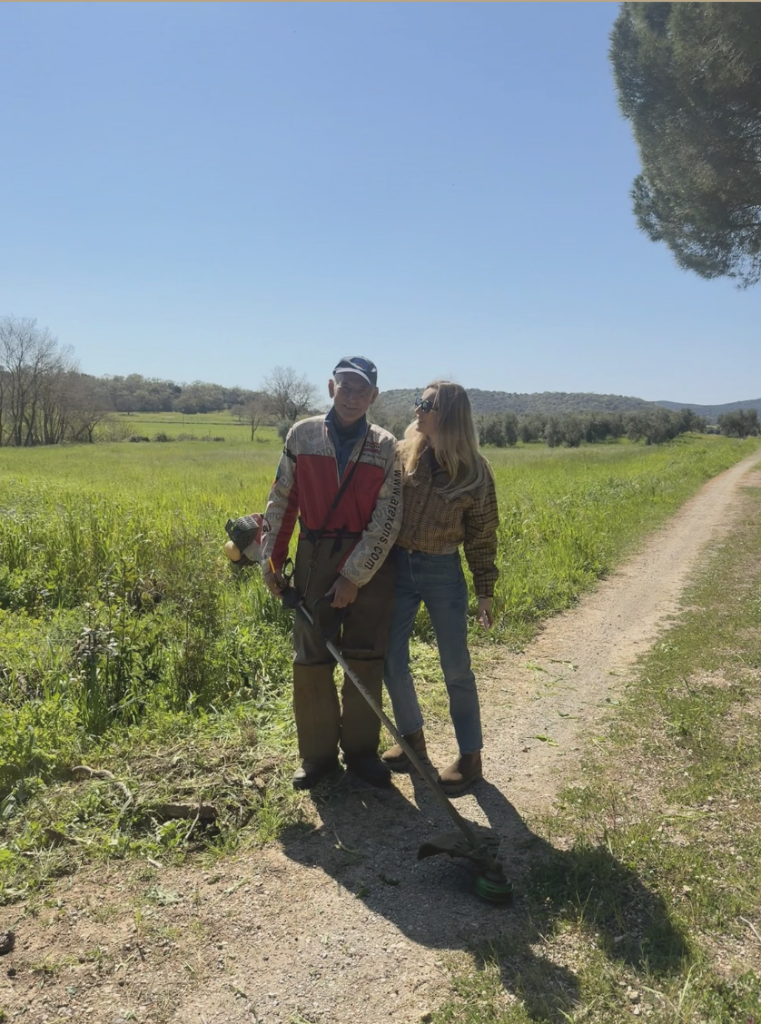
Some have been working the same land for so long that old Ford agricultural tractors are still part of everyday life in the fields. Among them is Piero Pasquarelli, a proud Capalbio olive farmer whose knowledge comes from a lifetime spent among these trees.
We are not trying to reinvent what already exists.
Our role is to preserve it.
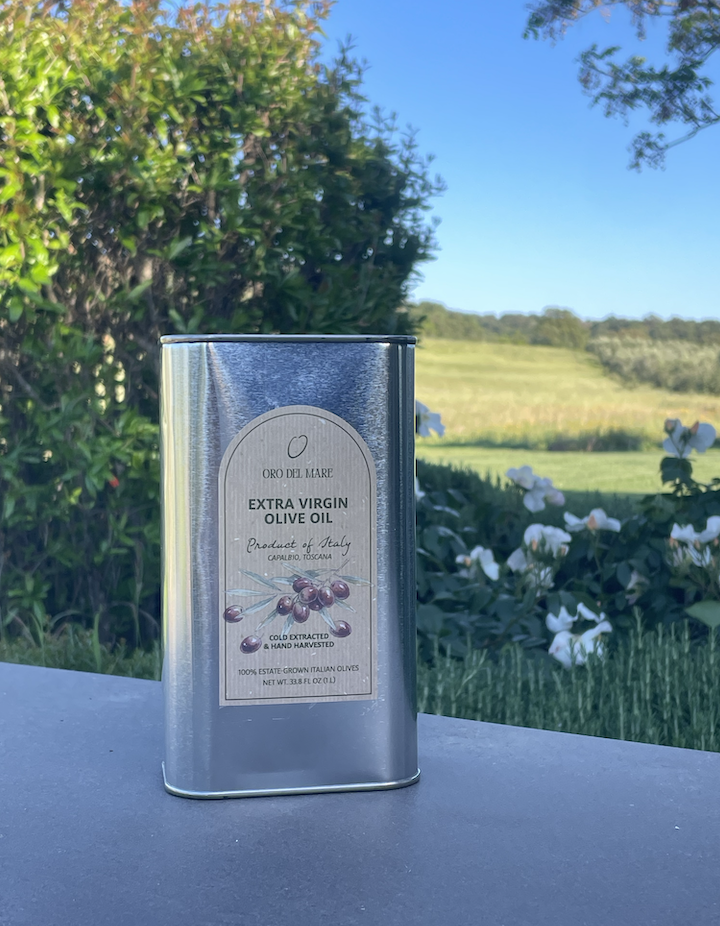
We bring generations of agricultural knowledge together with modern cold-extraction technology, protecting the natural qualities of the olives while allowing the traditions of Capalbio to continue.
Then we bring that oil, as it is, from Tuscany to the United States.
The Industry Today
Much of modern olive oil production has been designed around one objective: more.
Olives can travel across regions and countries before being blended into a single oil, making their true origin, and how they were cultivated, increasingly difficult to trace.
In intensive cultivation, trees may be planted closer together and irrigated to maximise fruit production. Fertilisers and pesticides may be used to support higher yields, while processing can prioritise extracting as much volume as possible.
The result may be more oil.
But more is not necessarily better.
When production is pushed towards scale, something quieter can disappear along the way: the identity of the land, the character of the olive and the connection between what is in the bottle and where it came from.
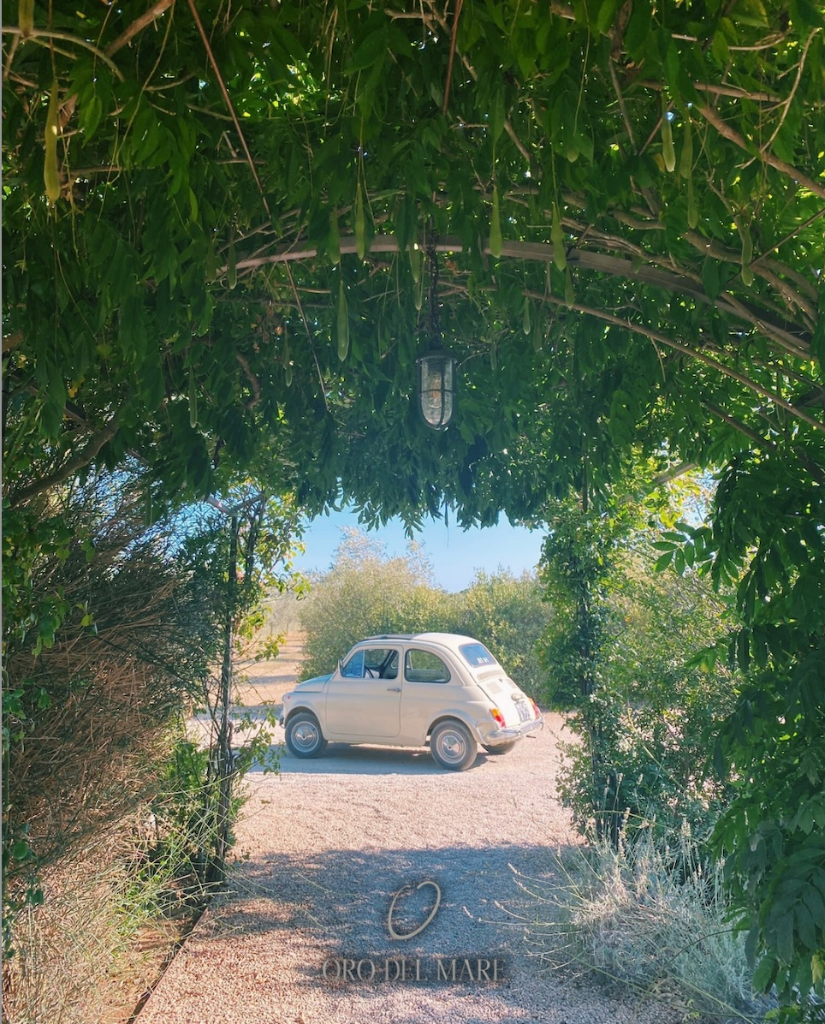
Capalbio
In Capalbio, things move differently.
Olive oil has been part of this landscape for centuries. The area has long been associated with fertile land, agriculture and the olive groves that define this corner of southern Tuscany.
This has never been a place built for mass production. It is shaped by time, care and restraint, and by an understanding that the land ultimately decides what it can give.
The work begins with observation: understanding the trees, recognising the season, knowing when to act and, just as importantly, when not to.
It is a slower philosophy.
But we believe that is precisely the point.
One place. One harvest. One oil.
From Capalbio, Tuscany.

